Products Description
Introduction to Biodegradable Kraft Paper Tape (Eco-Friendly Kraft Paper Tape)
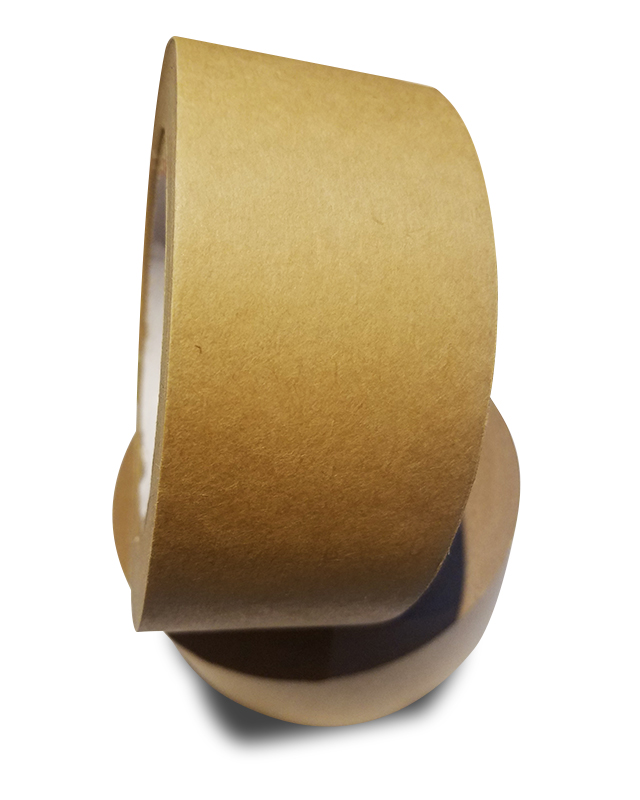
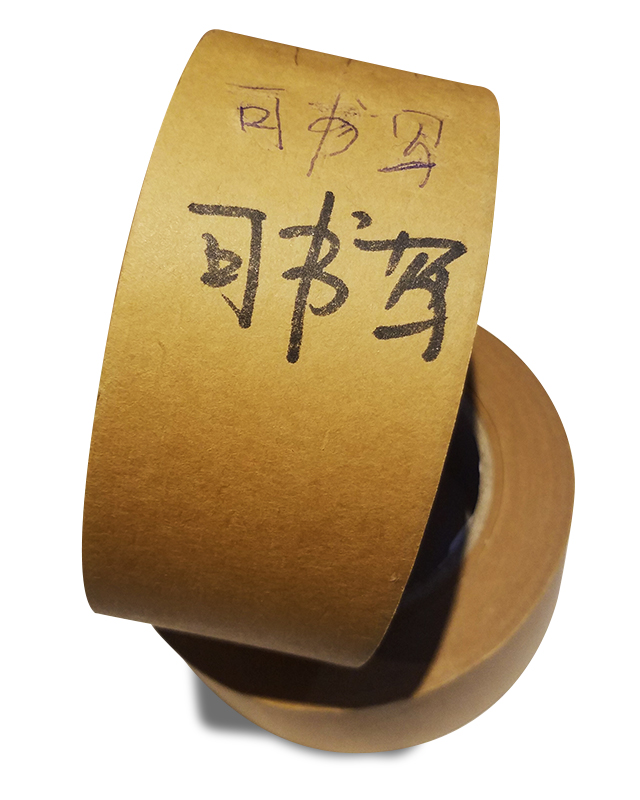
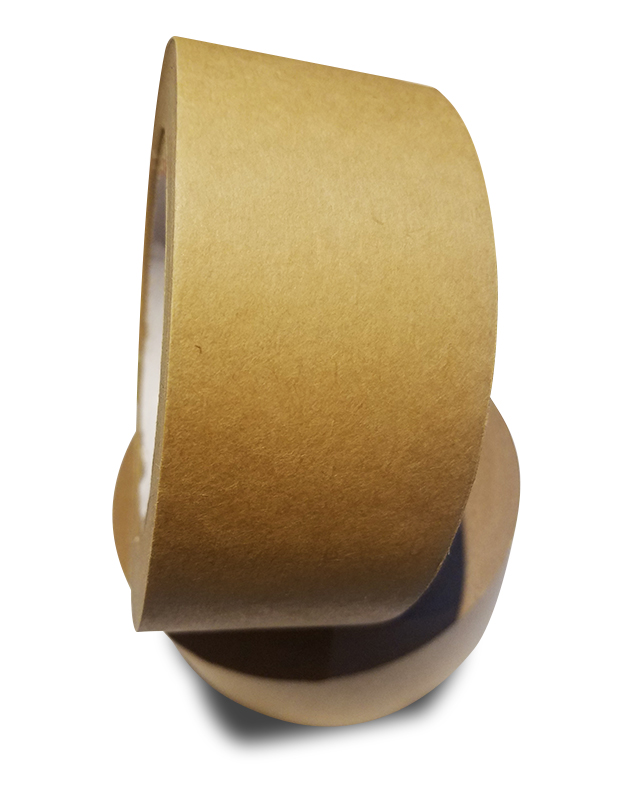
Biodegradable kraft paper tape (eco-friendly kraft paper tape) is crafted from premium kraft paper.
It undergoes anti-penetration and anti-stick surface treatment (gap-filling treatment is omitted in one-step molding processes).
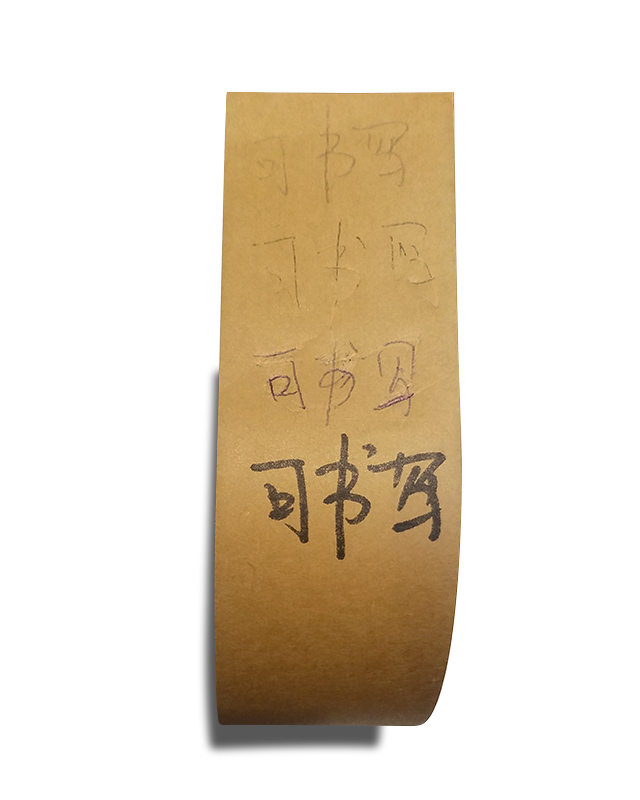
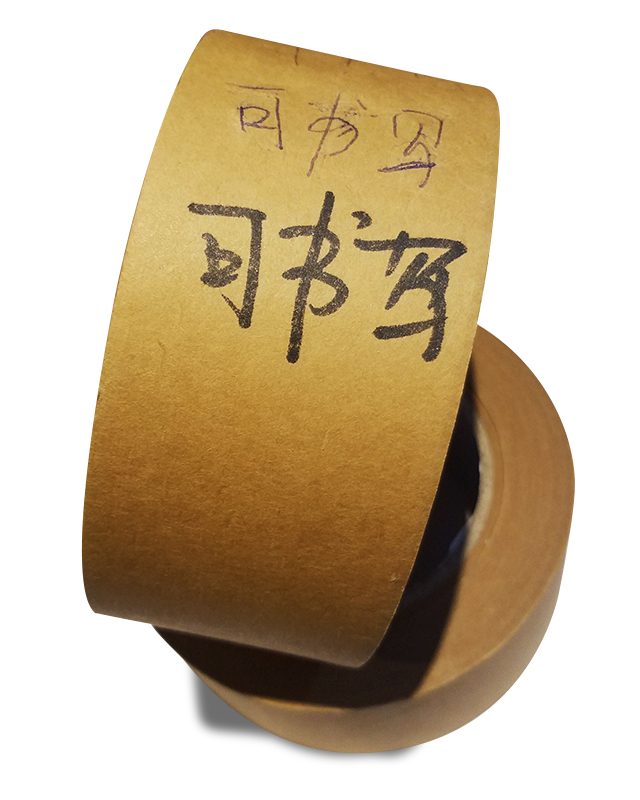
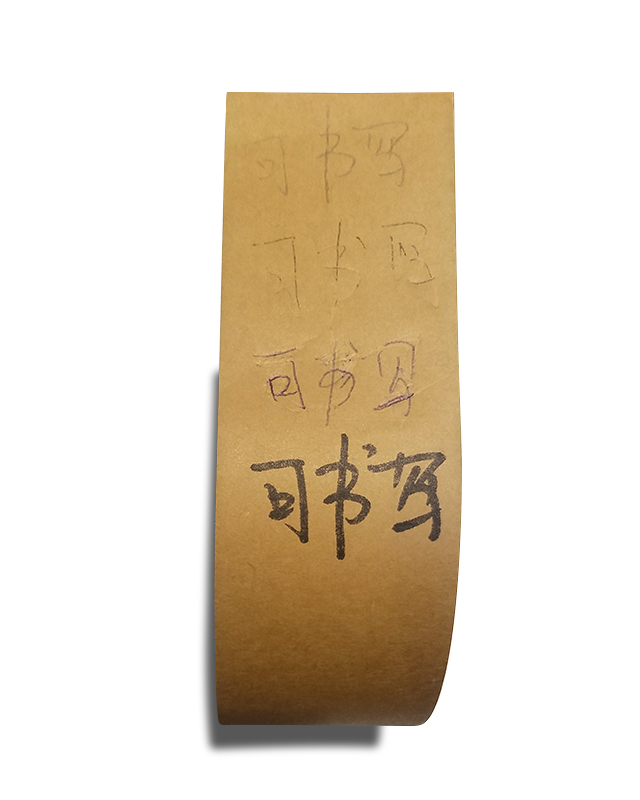
The tape features no plastic lamination on the back and a writable surface that becomes permanent once dry.
With excellent adhesion, it is ideal for carton sealing, temporary packaging fixes, and more.
This product serves as a sustainable alternative to traditional PE-laminated tapes.
The absence of plastic lamination makes it biodegradable and recyclable, meeting eco-friendly packaging standards (particularly for export-grade carton sealing).
Applications
High-frequency embossing.
Carton sealing and general packaging.
Other adhesive applications requiring temporary or permanent fixes.
Key Features
High-tack pressure-sensitive adhesive: Ensures strong, reliable bonding.
Eco-friendly design:
Complies with stringent environmental regulations for exporting high-value goods.
Minimal environmental impact from both base material and adhesive.
Performance advantages:
High initial tack: Instant adhesion.
Exceptional tensile strength: Withstands heavy loads.
Temperature resistance: Stable performance in varied environments.
Recycling compatibility:
Natural kraft color blends seamlessly with standard packaging boxes, facilitating easy recycling.
Test Results: tests passed. Details as follows:
1.Passed The : Article 5(4) of Regulation (EU) 2025/40 (Packaging and Packaging Waste Regulation, PPWR) - Total Lead, Cadmium, Mercury and Hexavalent Chromium content.
Test method: With reference to IEC 62321-4, IEC 62321-5 and IEC 62321-7-2, using ICP-OES and UV-Vis.
2. Passed The : Article 5(5) of Regulation (EU) 2025/40 (Packaging and Packaging Waste Regulation, PPWR)-Total Fluorine
Test method: With reference to EN 14582:2016, using ion chromatography (IC).
3.Passed The : EU RoHS Directive (EU) 2015/863 amending Annex II to Directive 2011/65/EU - Lead, Mercury, Cadmium, Hexavalent chromium, Polybrominated biphenyls (PBB), Polybrominated diphenyl ethers (PBDE), Bis(2-ethylhexyl) phthalate (DEHP), Butyl benzyl phthalate (BBP), Dibutyl phthalate (DBP) and Diisobutyl phthalate (DIBP).
Test method: With reference to IEC 62321-4, IEC 62321-5, IEC 62321-7-2, IEC 62321-6 and IEC 62321-8, using ICP-OES/AAS, UV-Vis and GC-MS.